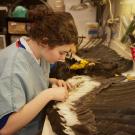
A new method for estimating the biological sex of human remains based on reading protein sequences rather than DNA has been used to study an archaeological site in Northern California. The protein-based technique gave superior results to DNA analysis in studying 55 sets of human remains between 300 and 2,300 years old. The work is published July 17 in Scientific Reports.
Bifidobacteria supplement colonizes gut of breastfed infants
Supplementing breastfed infants with activated Bifidobacterium infantis (B. infantis) bacteria had a positive impact on babies’ gut microbes for up to a year, according to a recent study by researchers at the University of California, Davis, and Evolve BioSystems Inc.
New findings could advance cattle production, help study human disease
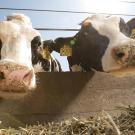
For more than 35 years, scientists have tried to isolate embryonic stem cells in cows without much success. Under the right conditions, embryonic stem cells can grow indefinitely and make any other cell type or tissue, which has huge implications for creating genetically superior cows.
New research with prairie voles suggests stress promotes developmental plasticity
Prenatal stress might not be so bad for babies after all, depending on how they are raised.
New research with prairie voles by child development experts at the University of California, Davis, suggests that prenatal stress promotes developmental plasticity in babies, making them especially likely to benefit from good parenting as well as suffer from negligent care.
Retired banker and walnut farmer Allen Hackett establishes endowed scholarship
After spending 35 years in the agricultural lending business and another 25 years as a walnut farmer, Allen Hackett (M.S. ’66 agricultural economics) knows a thing or two about investing in the land.
UC Davis creates wine price database with crowdsourcing, famed catalogs
Feeling nostalgic as you get ready to toast the new year?
Recommendations for “best buys” in Champagnes and party menus from some 50 years ago are among the treats in a new crowdsourcing database of historic wine prices from the University of California, Davis.
Locals and technology uncover the links between parks and game reserves
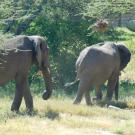
Researchers at the University of California, Davis, have identified 52 potential wildlife corridors linking protected areas across Tanzania.
Gene Can Help Fend off Devastating Strain of Stem Rust
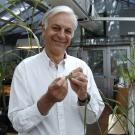
UC Davis wheat geneticist Jorge Dubcovsky and his team have identified a gene that enables resistance to a new devastating strain of stem rust, a fungal disease that is hampering wheat production throughout Africa and Asia and threatening food security worldwide.
A Framework for Energy Production and Ecological Conservation
To both advance solar energy and conservation goals over fossil-fuel use, a study led by University of California, Davis, ecologists helps clarify the benefits, trade-offs and interactions between renewable energy systems and the environment.